
1. The Strategic Imperative of Safety and Compliance in Commercial Cold Therapy

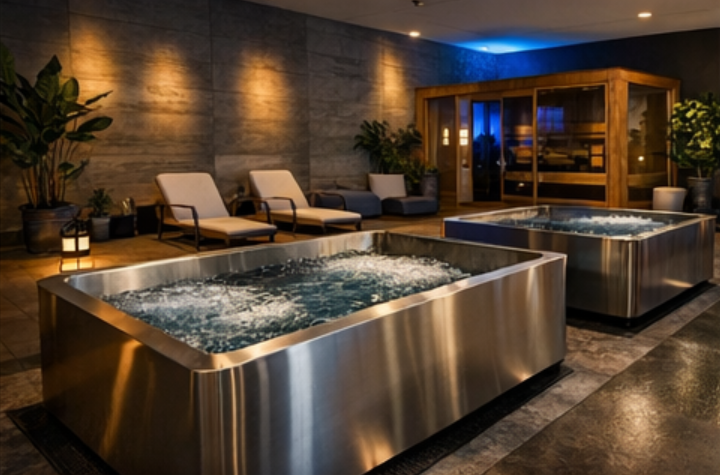
The rapid proliferation of cold water immersion (CWI) therapy within the commercial wellness sector represents a paradigm shift in how recovery modalities are delivered to the public. What was once the exclusive domain of elite athletic training rooms and clinical rehabilitation centers has now permeated commercial gyms, boutique recovery studios, luxury spas, and corporate wellness programs. This democratization of cold therapy, driven by growing consumer awareness of its physiological benefits, offers substantial revenue potential for facility operators. However, it also introduces a complex matrix of operational risks that differ fundamentally from standard fitness or spa services.
For the business decision-maker—whether a gym owner, wellness director, or facility manager—the transition from residential-grade enthusiasm to professional-grade execution is not merely a matter of aesthetics or capacity; it is a foundational issue of liability, safety, and regulatory compliance. The "plug-and-play" mentality that serves the home user is wholly inadequate, and often dangerously negligent, in a high-traffic commercial environment. When a facility invites the public to utilize a wet, electrically powered, thermally extreme environment, the duty of care escalates exponentially.
The stakes in commercial cold plunge operations are multifaceted. Primarily, there is the safety of the user. Cold water immersion elicits powerful physiological responses, including the mammalian dive reflex, cold shock response, and rapid vasoconstriction. In a controlled, compliant environment, these responses are therapeutic. In an improperly managed facility, they can lead to adverse cardiac events, slip-and-fall injuries, or bacterial infections. Secondarily, there is the operational viability of the business. Non-compliance with safety standards—whether they be electrical protocols, water quality benchmarks, or liability documentation—exposes the business to catastrophic legal and financial consequences. Insurance policies frequently contain exclusion clauses for equipment that does not meet specific certification standards or for facilities that fail to adhere to manufacturer guidelines for maintenance and supervision.
Furthermore, the reputation of the facility is inextricably linked to its safety culture. In an era of digital transparency and online reviews, a single outbreak of folliculitis (hot tub rash) or a report of an electrical shock can dismantle a brand's reputation overnight. Conversely, a facility that visibly prioritizes safety—through pristine water quality, professional-grade equipment, and clear operational protocols—builds trust and commands a premium in the marketplace.
The Liability Gap in Modern Recovery Markets
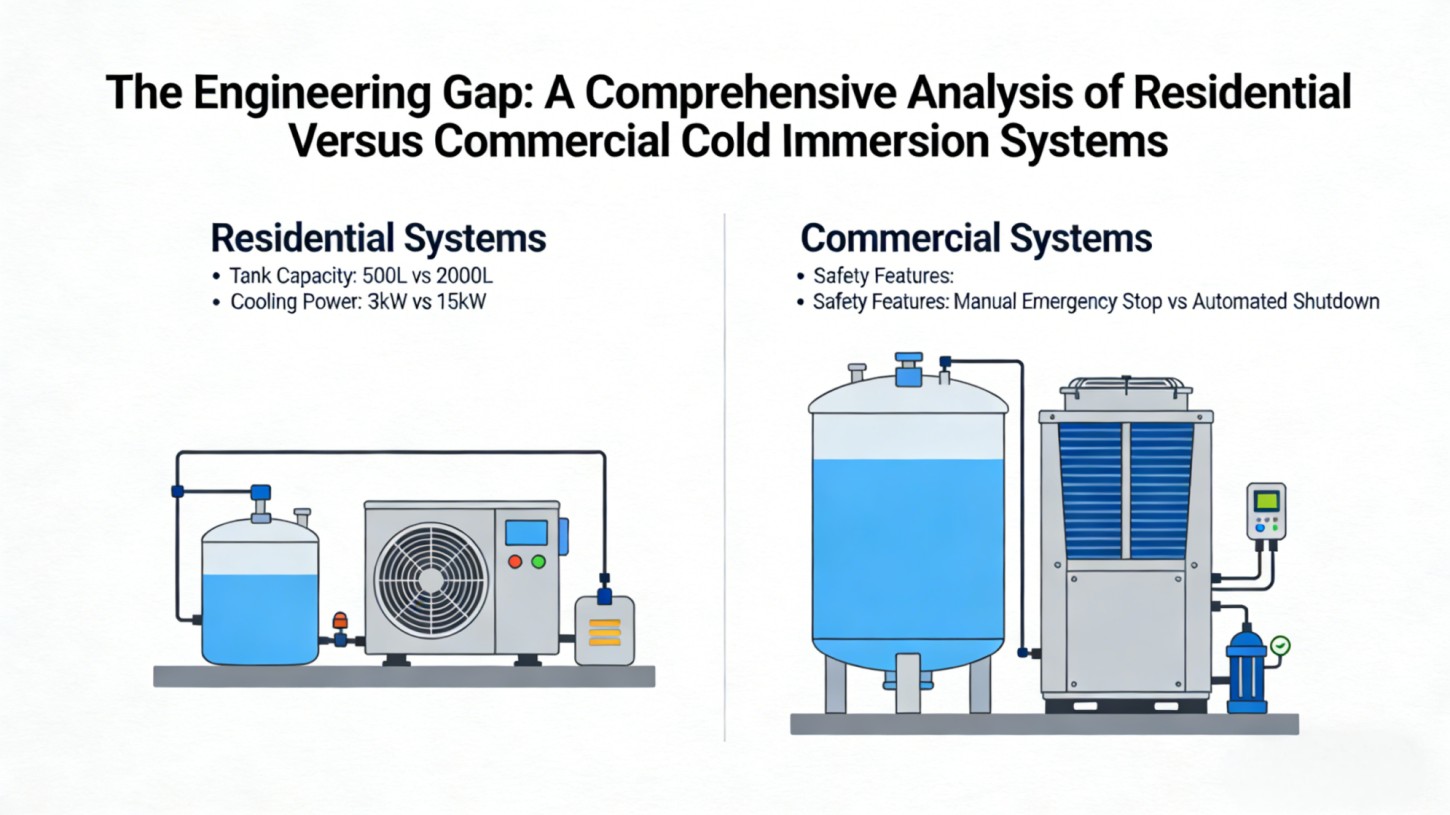
A significant "liability gap" currently exists in the recovery market. This gap is populated by facilities utilizing residential-grade equipment for commercial purposes. Residential units are typically engineered for low-frequency use—perhaps one or two plunges per day by a single family. They often lack the filtration surface area to handle the bio-load of 50 to 100 daily users, the chilling power to recover temperature between back-to-back sessions, and the electrical robustness to withstand continuous duty cycles.

When a residential unit fails in a commercial setting, it is rarely a simple warranty issue; it is a liability trigger. If an incident occurs, a forensic analysis of the equipment will reveal that it was being used outside its design intent, potentially voiding liability insurance coverage. Closing this gap requires a commitment to commercial-grade infrastructure that meets the rigorous demands of public use. Facility owners must recognize that commercial ice bath safety is not just about avoiding accidents; it is about establishing a defensible standard of care that withstands scrutiny from health inspectors, insurance adjusters, and legal challenges.
2. Key Safety Risks in Shared-Use Ice Bath Environments
To effectively mitigate risk, stakeholders must first possess a granular understanding of the specific hazards present in a commercial cold plunge environment. These risks are not theoretical; they are grounded in microbiology, thermodynamics, and human physiology. In a shared-use facility, the variables multiply with every additional user, creating a dynamic risk environment that requires constant management.
2.1 Microbiological Hazards: The Cold Water Myth
A pervasive and dangerous myth in the industry is that "bacteria cannot grow in cold water." While it is true that lower temperatures inhibit the rapid reproduction of certain mesophilic bacteria (which thrive at body temperature), many pathogens are psychrotrophic—capable of surviving and even multiplying in cold environments. Furthermore, the primary risk in commercial cold water is often not the rapid bloom of environmental algae, but the persistence of pathogens introduced by users which are not killed quickly enough due to the slowed chemical reaction rates of sanitizers in cold water.
In a shared-use facility, each user introduces a "bather load" consisting of sweat, skin cells, hair, cosmetics, lotions, and fecal matter. In a cold plunge, the water is not discarded after each use (unlike a bathtub), nor is it typically heated to temperatures that aid in thermal disinfection (unlike a hot tub). This creates a unique challenge: maintaining sterility in a recirculating body of water that is kept at temperatures where chemical disinfection is naturally less efficient.
The Risk of Pseudomonas aeruginosa
Pseudomonas aeruginosa is a bacterium commonly found in water and soil. In recreational water environments, it is the primary cause of "hot tub rash" (folliculitis) and ear infections (otitis externa). While often associated with warm water, Pseudomonas is highly resilient. It has the ability to form biofilms—slimy, protective layers—on the surfaces of the tub, piping, and filter media. Once established, these biofilms protect the bacteria from sanitizers like chlorine or bromine. In a cold plunge, where users may have micro-abrasions from shaving or skin dryness, Pseudomonas can easily enter the hair follicles, causing painful, itchy rashes that can appear days after the exposure. For a commercial facility, a confirmed case of Pseudomonas folliculitis is a significant public health incident that often mandates immediate closure and hyper-chlorination.
The Threat of Legionella Dormancy
Legionella, the bacteria responsible for Legionnaires' disease (a severe form of pneumonia), poses a nuanced threat in cold water systems. While Legionella thrives in warm water (25°C–45°C), it does not die at temperatures below 20°C (68°F); it merely becomes dormant. The danger in commercial ice bath systems arises during maintenance cycles or equipment failures. If the cooling system fails and the water temperature rises into the ambient range, or if there are "dead legs" in the plumbing where water stagnates and warms up, dormant Legionella can reactivate and multiply rapidly. If the system includes any form of aeration, jets, or splashing that creates a mist, users can inhale the bacteria. Therefore, commercial ice bath compliance requires not just keeping water cold, but ensuring it never enters the thermal "danger zone" without adequate sanitization.
Cryptosporidium and Fecal Contamination
Cryptosporidium is a microscopic parasite that causes severe gastrointestinal illness. It is introduced into the water via fecal matter from infected users. It is notoriously resistant to chlorine; at standard pool concentrations, Cryptosporidium can survive for days. In a cold plunge environment, where users may not have showered thoroughly before entry (despite rules), the risk of introduction exists. Once in the water, the cold temperature preserves the parasite. If a user inadvertently swallows water—a common occurrence during the "gasp reflex" upon entry—infection can occur. Commercial facilities must rely on secondary sanitation methods, such as UV-C sterilization or Ozone, which are more effective against Cryptosporidium than chemical sanitizers alone.
2.2 Physiological Hazards: The Thermal Shock
The therapeutic mechanism of a cold plunge is stress—specifically, thermal stress. While this hormetic stress is beneficial for healthy individuals under controlled conditions, it presents acute risks in a general population that may have undiagnosed underlying conditions.
The Cold Shock Response
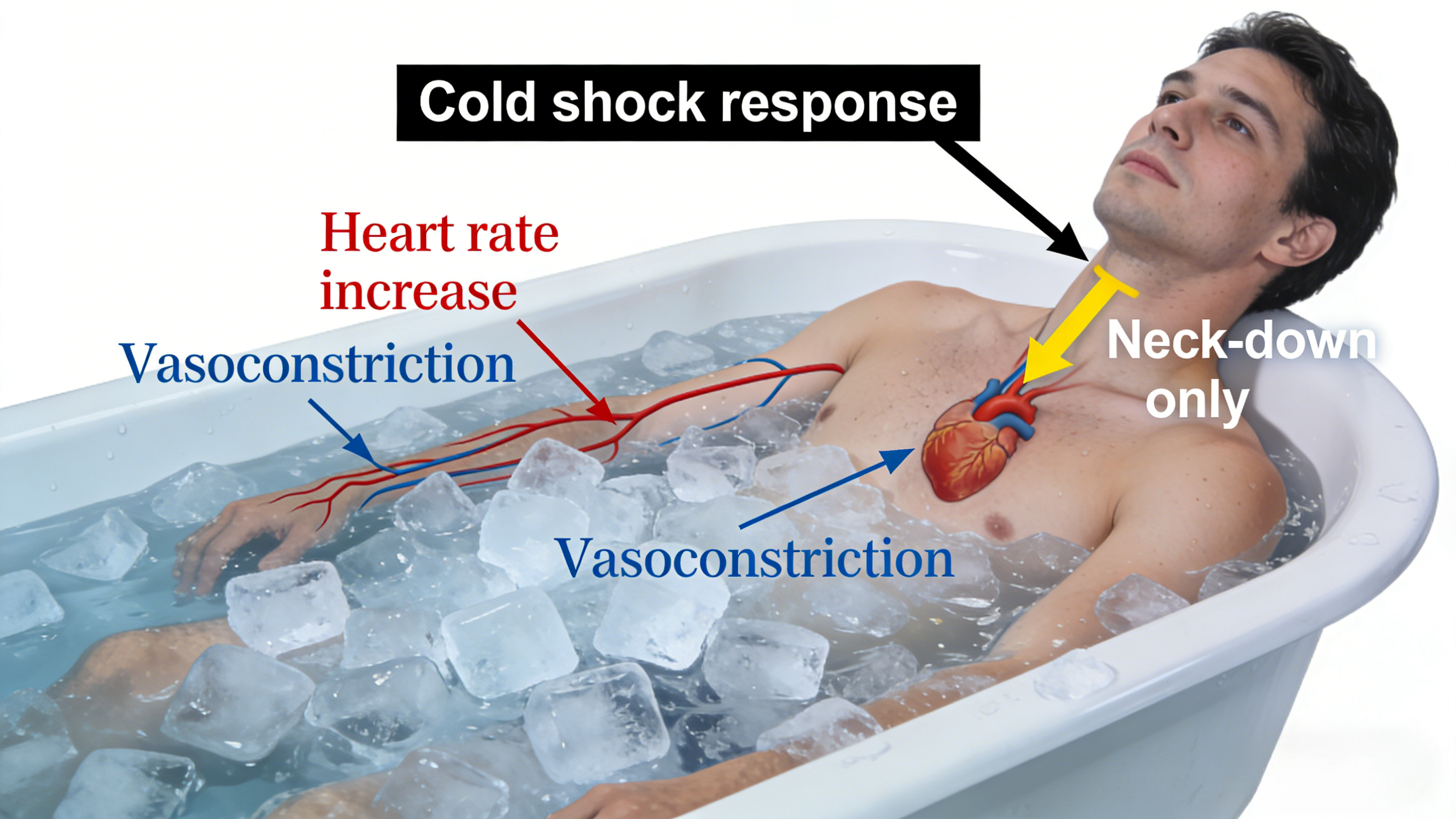
Upon entering water below 15°C (59°F), the human body initiates an involuntary physiological response known as the "cold shock response." This is characterized by a sudden, sharp intake of breath (gasp reflex), followed by rapid hyperventilation and a spike in heart rate and blood pressure.
● Aspiration Risk: If a user submerges their head immediately upon entry, the involuntary gasp can lead to water aspiration. In a commercial setting, if a user inhales water, they may panic, exacerbating the situation. This is why many commercial facilities enforce a "neck-down" policy.
● Cardiac Load: The sudden vasoconstriction (narrowing of blood vessels) forces blood from the extremities to the core, increasing the volume of blood the heart must pump. For individuals with pre-existing hypertension or heart disease, this rapid increase in cardiac workload can trigger arrhythmias or cardiac events.
The "Afterdrop" Phenomenon
Hypothermia is a known risk, but in commercial settings where plunges are typically short (2-5 minutes), "Afterdrop" is a more subtle danger. When a user exits the cold water, the peripheral blood vessels in the skin and muscles begin to dilate as they warm up. Cold blood that was trapped in the extremities returns to the core, mixing with warm core blood. This causes the user's core body temperature to continue falling after they have exited the bath. A client might feel fine immediately upon exiting, only to feel dizzy, faint, or nauseous 10 minutes later in the locker room. Facility staff must be trained to recognize this delayed response and ensure users have a safe place to warm up gradually.
2.3 Physical and Environmental Hazards
The immediate physical environment of a commercial ice bath is inherently hazardous.
● Slip and Fall: The area surrounding a cold plunge is almost always wet. Users exiting the tub are often shivering, which impairs their motor coordination and balance. Their feet are numb, reducing sensory feedback. This combination makes slip-and-fall accidents a high-probability event if flooring is not engineered specifically for these conditions.
● Entrapment: While less common in modern tubs, suction entrapment remains a risk in systems with powerful circulation pumps. If a single drain is blocked by a user's body part, the vacuum pressure can hold them underwater. Commercial ice bath safety standards mandate the use of dual-drain systems or anti-entrapment covers (VGB compliant) to prevent this.
3. Electrical and Water-Related Safety Considerations
In the hierarchy of safety controls, electrical safety is paramount because failure allows for no margin of error. The interface between high-amperage electrical components and a vessel filled with conductive water and human beings is the single most critical safety junction in the facility. Commercial facilities must adhere to strict engineering standards that far exceed those found in residential setups to prevent electrocution and stray voltage incidents.
3.1 Ground Fault Circuit Interrupters (GFCI): The First Line of Defense
The Ground Fault Circuit Interrupter (GFCI), known in some regions as a Residual Current Device (RCD), is the non-negotiable bedrock of aquatic electrical safety.
● Operational Mechanism: A GFCI continuously monitors the balance of electrical current moving through the "hot" (live) wire and returning through the "neutral" wire. In a perfectly functioning circuit, these currents are identical. If the current flowing out does not match the current returning—even by a minuscule margin of 4 to 6 milliamps—the device assumes the missing electricity is leaking to the ground, possibly through a human body. Upon detecting this imbalance, the GFCI cuts the power within milliseconds (typically 20-30ms), preventing lethal shock.
● Commercial Implementation: In a commercial setting, GFCIs must be installed on every circuit powering the cold plunge equipment. This includes the chiller, the circulation pump, any auxiliary UV/Ozone units, and underwater lighting. Reliance on a simple plug-in GFCI adapter (common in home units) is often insufficient for permanent commercial installations. Professional facilities should utilize hardwired GFCI breakers installed directly in the sub-panel. This protects the entire run of wiring, not just the appliance.
● Testing Protocols: Commercial safety protocols dictate that GFCIs be tested regularly. While manufacturers often suggest monthly testing, high-traffic commercial facilities should incorporate a GFCI test button check into their weekly maintenance logs to ensure the mechanical trip function has not seized due to corrosion or dust.
3.2 Equipotential Bonding: The Invisible Shield
While GFCIs protect against faults in the equipment, equipotential bonding protects against voltage gradients in the environment. This concept is frequently misunderstood by general contractors but is critical for commercial ice bath risk management.
● The Physics of Stray Voltage: Even if the ice bath equipment is functioning perfectly, the earth itself, the concrete floor, or adjacent metal structures can carry a small electrical potential. If a user standing in the water (which is at one potential) touches a metal handrail, a water spigot, or the metal casing of the chiller (which is at a different potential), current will flow through the user to equalize the difference. This is known as "stray voltage" or "touch potential."
● The Bonding Grid Solution: Bonding involves connecting all metallic components in the immediate vicinity of the ice bath—the pump motor, the chiller casing, metal handrails, water pipes, and significantly, the concrete reinforcing grid (rebar) in the floor—with a continuous, solid copper wire (typically 8 AWG). This creates a "bonding grid."
● The Result: By electrically connecting all these components, they are forced to be at the same electrical potential. If a voltage surge occurs in the ground or equipment, the potential of the entire grid rises together. Because there is no difference in potential between the water, the floor, and the handrail, no current flows through the user.
● Professional Requirement: Unlike portable residential tubs which may rely solely on the ground pin of a power cord, permanent commercial installations often require a licensed electrician to verify or install a perimeter bonding loop. If the facility has a concrete floor, the rebar within that floor must usually be bonded to the tub's equipment ground. Failure to bond is a common cause of "tingling" sensations reported by users in improperly installed facilities.
3.3 Certification Standards (UL/CE/ETL)
For commercial insurance, liability protection, and building inspection purposes, the equipment itself must be certified by a Nationally Recognized Testing Laboratory (NRTL).
● UL 1563 & UL 60335: These are the gold standards for electrical spas and household appliances. They mandate rigorous testing for water ingress protection (IP ratings), dielectric strength (insulation resistance), temperature stability, and material durability.
● The "Commercial" Label Fallacy: Many products marketed online as "commercial" lack third-party certification. They may be "built robustly" but have not undergone the destructive testing required for a UL listing. A facility manager must request the UL or ETL listing number before purchase. Insurance inspectors specifically look for the holographic certification label on the unit.
● Insurance Implications: Using non-certified equipment can be grounds for immediate policy cancellation or claim denial. If a fire or injury occurs involving a non-listed appliance, the facility owner faces nearly indefensible negligence claims.
3.4 Wiring and Amperage Considerations
Commercial chillers are high-load appliances. A 1HP chiller may draw 12-15 amps upon startup.
● Dedicated Circuits: Each cold plunge unit should be on a dedicated circuit. Sharing a circuit with other high-draw devices (like hair dryers in a locker room or saunas) can lead to nuisance tripping of breakers. If the power cuts out overnight, the water warms up, leading to bacterial growth.
● Hardwiring vs. Plugs: For permanent commercial installations, hardwiring the equipment (eliminating the wall plug) is often safer. It prevents accidental unplugging, reduces the risk of water splashing into a receptacle, and eliminates the contact resistance that can generate heat at the plug connection.
4. Temperature Control, Monitoring, and User Safety
Temperature management in a commercial ice bath is a dual discipline: it involves maintaining the therapeutic efficacy of the cold exposure while simultaneously preventing accidental hypothermia and managing the immense heat load generated by high bather traffic.
4.1 Therapeutic Range vs. Safety Limits
Defining the operating temperature is a business decision with safety implications. Most commercial facilities operate their cold plunges between 8°C (46°F) and 12°C (53°F) for the general public. Specialized athletic facilities may go as low as 3°C (37°F), but this requires stricter supervision.
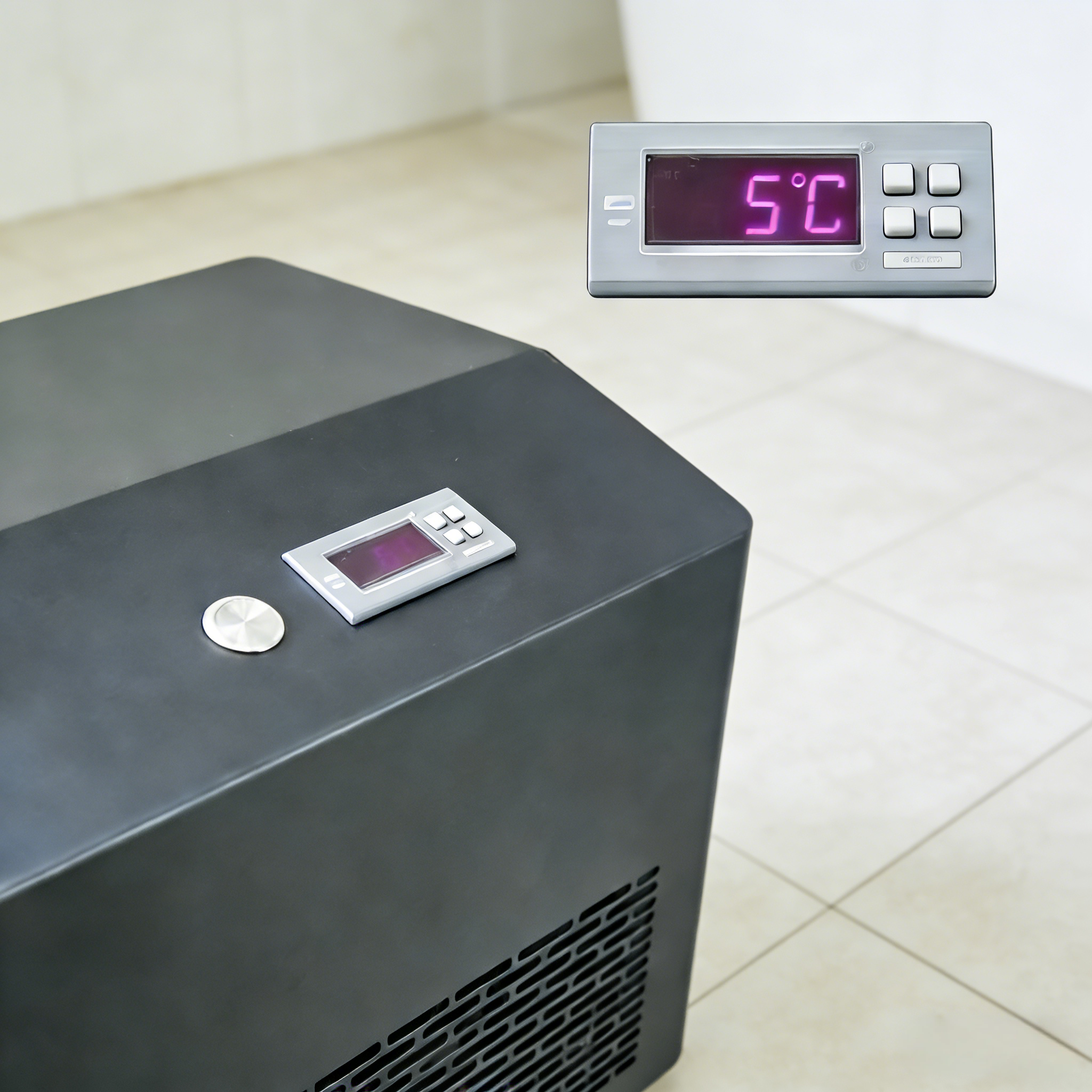
● The 45°F Threshold: Physiological research suggests that many of the desired responses—such as the release of cold-shock proteins, norepinephrine production, and reduction of inflammation—are significant at temperatures below 45°F (7.2°C). However, the risk curve for cold shock and muscular incapacitation steepens dramatically as temperatures drop below 10°C.
● The "Hard Floor" Limit: Facilities should establish a "hard floor" temperature limit. Water near freezing (0°C–1°C) presents an immediate risk of frostnip to extremities (toes and fingers) and rapid onset of peripheral nerve palsy. For general commercial use, maintaining a minimum of 3°C to 5°C is a prudent buffer that balances intensity with tissue safety.
4.2 Chiller Sizing and Heat Load Management
A critical operational failure in commercial settings is the inability of the chiller to maintain the target temperature under high bather loads. This is not just a performance issue; it is a safety and hygiene issue.
● The Physics of Heat Load: A human body entering an ice bath is a massive heat source. An average adult acts as a heater, transferring significant thermal energy into the water. In a commercial setting, this happens repeatedly. Additionally, the ambient air temperature and the mechanical heat from the pump contribute to the load.
● The BTU Calculation: Commercial chillers must be sized based on the BTU (British Thermal Unit) extraction rate required to counter the peak heat load. A residential chiller (often 1/4 HP or 1/3 HP) might be rated for 2,000 BTUs/hr. If ten users plunge in an hour, they might introduce 5,000+ BTUs of heat. The undersized chiller cannot keep up, and the water temperature will steadily rise.
○ Scenario: A facility opens at 8°C. After a morning rush of 15 users, an undersized chiller allows the water to drift to 16°C. The facility is no longer delivering the promised service, and the warmer water accelerates bacterial growth.
● Commercial Sizing Rule of Thumb: A 1 HP chiller is often the baseline minimum for facilities expecting consistent usage (e.g., more than 5 users per hour). High-volume facilities often utilize 1.5 HP or 2 HP units to ensure "rapid recovery"—the ability of the unit to return the water to the target temperature within minutes of a user exiting.
4.3 Temperature Monitoring Protocols
Reliance solely on the chiller’s built-in digital display is a safety vulnerability. The sensor for the chiller is typically located inside the unit's heat exchanger. If the flow rate is restricted (e.g., by a dirty filter), the water inside the chiller may be very cold while the water in the tub is significantly warmer.
● Independent Verification: A secondary, independent thermometer should be installed in the tub. This provides a "truth" reading for both staff and users.
● Data Logging: Advanced commercial systems offer digital data logging of temperature history. This provides a liability shield. In the event of an incident where a user claims the water was "dangerously cold," the facility can produce a log proving the temperature was within the safe, established range at the exact time of the session.
● Alarms: Some commercial control systems allow for high/low temperature alarms. If the water drops below 1°C (risk of freezing pipes or user injury) or rises above 15°C (hygiene risk), the system alerts staff immediately.
5. Hygiene, Water Quality, and Operational Protocols
Maintaining water quality in a cold plunge is fundamentally different from a swimming pool or hot tub. The cold temperature suppresses the effectiveness of traditional sanitizers like chlorine, meaning chemical kinetics are slower, yet the bather load per gallon is extremely high due to the small volume of water.
5.1 Filtration: The First Line of Defense
Before sanitization can occur, particulate matter (skin, hair, oils, lint, cosmetics) must be removed. Bacteria and viruses hide inside organic debris, shielding them from chemical sanitizers.
● Surface Area and Micron Rating: Residential units often use small paper cartridge filters with 10–25 square feet of surface area. Commercial units require significantly larger capacity—typically 50 to 100 square feet—to handle the heavy particulate load without clogging rapidly. The filter media should be capable of trapping particles down to 20 microns or smaller.
● Turnover Rate: This is the time it takes for the entire volume of water in the tub to pass through the filter. For commercial swimming pools, a turnover of 6 hours is common. For commercial spas, it is 30 minutes. For commercial cold plunges, due to the very small water volume (often 80–120 gallons) and high body contact, a turnover rate of 15–20 minutes is ideal. This ensures that turbidity is cleared rapidly between users, keeping the water visually appealing and chemically manageable.
5.2 Sanitization Chemistry in Cold Water
Standard pool chemistry relies heavily on chlorine or bromine. However, the efficiency of chlorine is temperature-dependent.
● Chlorine Kinetics: In cold water, chlorine reacts slower. To achieve the same "kill rate" (CT value) as in a warm pool, one might theoretically need higher concentrations or longer contact times. However, high chlorine levels irritate the skin and eyes and create a strong chemical odor (chloramines).
● Advanced Oxidation Processes (AOP): To solve this, commercial ice bath safety protocols often rely on AOP as the primary oxidizer, with a low residual of chlorine (1–3 ppm) as a backup sanitizer. AOP combines UV-C light and Ozone to create hydroxyl radicals—the most powerful oxidizers available for recreational water. Hydroxyl radicals kill bacteria, viruses, and parasites instantly on contact, independent of water temperature.
● Ozone (O3): Ozone is a powerful gas that dissolves well in cold water. It destroys organic contaminants and breaks down chloramines. However, effective ozone systems for cold plunges must have "contact chambers" or "degassing valves." Injecting ozone directly into the tub with the user is generally avoided in commercial settings to prevent respiratory irritation from off-gassing.
● UV-C Sterilization: UV light disrupts the DNA of bacteria and parasites like Cryptosporidium, preventing them from replicating. UV is unaffected by water temperature, making it an ideal solution for cold plunges.
5.3 The Biofilm Challenge
Biofilm is a slime layer that bacteria secrete to adhere to pipe walls and surfaces. It acts as a fortress, protecting the bacterial colony from chlorine. In cold water systems, where flow might be intermittent (if pumps are on timers), biofilm can form in "dead legs" of piping.
● Commercial Protocol: Facilities must implement a rigorous biofilm management strategy. This involves using a "pipe flush" or "system flush" enzymatic cleaner weekly or bi-weekly. This chemical is circulated through the system before draining the water; it strips the biofilm from the internal plumbing. Without this step, a facility can fill a tub with fresh water that is immediately re-contaminated by bacteria releasing from the pipes.
5.4 Water Replacement Schedule
Unlike a large swimming pool which is rarely drained, a cold plunge has a small volume and a high bather load. No amount of filtration or chemistry can manage Total Dissolved Solids (TDS) indefinitely. As TDS rises, water becomes cloudy, chemicals become ineffective, and the water feels "heavy."
● The Formula: A common health department rule of thumb for commercial spas (which can be adapted for cold plunges) is:
○ Water Replacement Interval (Days) = (Volume in Gallons / 3) / Daily Bather Load
● Real-World Application: Consider a standard 100-gallon cold plunge with 33 users per day.
○ Calculation: (100 / 3) / 33 = 1.01 Days.
● Insight: High-traffic commercial plunges (30+ users/day) likely need water changes daily or every other day, regardless of how "clean" the water looks. For lower traffic (10 users/day), weekly changes may suffice. This operational cost (water and labor) must be factored into the business model.
6. Compliance Considerations for Professional Facilities
While specific legal codes vary by municipality, state, and country, there are universal principles of compliance that apply to "semi-public" or "commercial" bodies of water. Ignoring these can lead to facility closure.
6.1 The "Public Pool" Classification
In many jurisdictions, any body of water open to the public for immersion falls under "Public Swimming Pool & Spa" regulations. This is a common regulatory trap for gym owners who view a cold plunge merely as a piece of "equipment" like a treadmill.
● Plan Review: Health departments often require a formal "plan review" before installation. They will check for drain safety, deck slope (to prevent standing water), surface materials (must be non-porous and easily cleanable), and equipment specifications.
● NSF/ANSI 50 Certification: This is the standard for materials and equipment used in public pools and spas. Inspectors may look for pumps, filters, and chlorinators that carry the NSF-50 certification, which verifies they are designed for commercial aquatic use and will not leach harmful chemicals into the water.
6.2 ADA Accessibility
Compliance often necessitates accessibility. Even if not strictly enforced for every standalone tub in every region, best practice (and risk management) involves providing a transfer mechanism or ensuring the tub height and design allow for safe entry/exit for users with limited mobility.
● Transfer Bench: Having a transfer bench or a grab rail system compliant with ADA (Americans with Disabilities Act) standards ensures the facility is inclusive and reduces the risk of falls during entry/exit for all users.
6.3 Drain Entrapment Safety (VGB Act)
For tubs with suction outlets (where the pump pulls water out to the chiller), the risk of hair or body entrapment is a critical safety concern. This is governed in the U.S. by the Virginia Graeme Baker (VGB) Pool and Spa Safety Act, but the engineering principle is global.
● Dual Drains: Commercial standards typically mandate two suction points separated by at least 3 feet, or a single "unblockable" drain.
● The Physics: If a pump pulls water through a single small drain, and a user sits on it, the vacuum seal can hold them underwater with hundreds of pounds of force. With two drains, if a user blocks one, the pump simply pulls water from the second drain, breaking the vacuum and preventing entrapment.
7. Common Safety Mistakes in Commercial Ice Bath Operations
Even well-intentioned operators fall into specific traps when designing or managing their cold therapy zones. Recognizing these patterns is the first step to prevention.
7.1 The "Residential Unit" Trap
The most pervasive error is installing residential equipment in a commercial gym.
● The Chest Freezer Hack: Using a converted chest freezer is highly dangerous in a commercial setting. These units are not designed to hold water (walls can buckle), lack GFCI protection on internal components, and are difficult to drain and clean. If a user is electrocuted in a chest freezer, the liability is absolute.
● Inflatable Tubs: While popular for home use, inflatable tubs are prone to puncture, difficult to sanitize (folds and creases harbor bacteria), and lack the durability for continuous public use.
7.2 Ignoring the "Head-Above-Water" Rule
Allowing users to fully submerge (dunking the head) significantly increases contamination and risk.
● Contamination: The mouth, nose, and hair introduce a massive amount of bacteria and mucus into the water.
● Safety: Full submersion increases the risk of water aspiration during the gasp reflex and makes it harder for staff to monitor the user's consciousness.
● Best Practice: Mandate a strict "neck-down" policy for commercial plunges to preserve water quality and user safety.
7.3 Reliance on "Clarifiers" over Sanitizers
Operators often use flocculants or clarifiers to make cloudy water look clear.
● The Mistake: Clear water is not necessarily clean water. A clarifier clumps particles so they sink or get filtered, improving optical clarity, but it does nothing to kill viruses or bacteria. A facility can have crystal clear water that tests positive for E. coli. Sanitation (killing bugs) must always take precedence over clarification (removing dirt).
7.4 Poor Ventilation
Chillers work by moving heat from the water into the surrounding air.
● The Scenario: If a powerful commercial chiller is placed in a small, unventilated closet or room, it will rapidly heat the air in that room.
● The Consequence: As ambient temperature rises, the chiller loses efficiency (it cannot dump heat into hot air). The unit runs continuously, overheats, and eventually fails. The water warms up, and the equipment burns out prematurely. Commercial installations must account for airflow and heat rejection.
8. Best Practices for Risk Reduction and Safe Daily Operation
To operationalize these standards, facilities should adopt a rigorous management framework that governs the daily life of the cold plunge.
8.1 Daily Operational Checklist
Staff should perform and log the following checks every morning before opening the facility to the public:
Category | Task | Acceptable Range/Condition |
Visual | Check water clarity and surface | Crystal clear; visible bottom; no foam/scum lines. |
Chemical | Test Sanitizer (Chlorine/Bromine) | 1.0 - 3.0 ppm (or per local code). |
Chemical | Test pH | 7.2 - 7.8 (Crucial for sanitizer efficacy). |
Thermal | Verify Temperature | Match display with independent thermometer (3°C - 12°C). |
Safety | Inspect Deck/Flooring | Dry mats; no standing water; handrails secure. |
Mechanical | Listen to pump/chiller | Smooth hum; no grinding or rattling noises. |
Electrical | Test GFCI (Weekly) | Press "Test" button; ensure power cuts and resets. |
8.2 User Intake and Waivers
Documentation is the primary shield against liability. A standard gym waiver is often insufficient.
● Specific Informed Consent: The waiver must specifically mention "cold water immersion," "cold shock," "vasoconstriction," and "hypothermia." It should state that the user acknowledges the unique risks associated with thermal stress.
● Contraindications List: The facility should clearly list conditions that preclude use. Staff should be trained to ask new users about these:
○ Pregnancy
○ Epilepsy or seizure disorders
○ History of heart disease or pacemaker use
○ High or low blood pressure
○ Open wounds or skin infections
○ Raynaud’s disease
8.3 The "Wet Area" Design
The physical design of the recovery zone is a passive safety control.
● Flooring: Install flooring with a high Dynamic Coefficient of Friction (DCOF > 0.42). Rubber flooring (rolls) is superior to tile for impact absorption and slip resistance in recovery zones. It also provides a warmer surface for bare feet.
● Signage: Clear, graphical signage is essential.
○ Mandatory Shower: "Shower Before Plunging" (Reduces bather load).
○ Time Limits: "Recommended Session: 2-5 Minutes."
○ Behavior: "No Diving," "No Breath Holding," "Enter Slowly."
○ Age Restriction: "Ages 16+ Only" (or as per policy).
8.4 Staff Training and Emergency Response
Staff must be trained not just to clean the tub, but to respond to medical emergencies specific to cold water.
● Drill 1: "User Unresponsive": Staff must know how to safely remove a dead-weight adult from a cold plunge. This is physically difficult. Techniques involving two staff members or the use of a rescue tube should be practiced.
● Drill 2: "Hypothermia Response": Staff should be able to identify signs of moderate hypothermia (slurring speech, loss of coordination, confusion). They must know the rewarming protocol: remove wet clothes, dry off, use blankets/passive rewarming. They should not put a hypothermic person immediately into a hot shower, as this can cause a rapid drop in blood pressure and fainting (rewarming collapse).
9. Conclusion: Safety as Part of Long-Term Operational Success
The integration of commercial ice baths offers a tremendous opportunity for facilities to differentiate themselves and serve the evolving needs of the wellness market. However, the line between a profitable "recovery asset" and a catastrophic "liability" is drawn by compliance and safety culture.
Operators must view safety standards not as a regulatory burden, but as a core component of the customer experience. A facility that invests in commercial-grade filtration, adheres to rigorous electrical safety protocols, and trains its staff in risk management is delivering a visibly superior product. Clients, increasingly educated on the science of recovery, can sense the difference between a murky, repurposed residential tub and a pristine, professionally managed system.
By adhering to the standards outlined in this report—prioritizing electrical safety (GFCI and bonding), respecting microbiological realities (AOP and biofilm management), and enforcing strict operational protocols—facility owners protect their clients, their staff, and the long-term viability of their business. In the high-stakes environment of commercial wellness, safety is the ultimate luxury.
Table 1: Summary of Commercial vs. Residential Compliance Metrics
Metric | Residential / Home Use Standard | Professional / Commercial Facility Requirement |
User Load | 1-4 plunges per day | 20-100+ plunges per day |
Filtration Area | 10-25 sq ft paper cartridge | 50-100 sq ft antimicrobial or media filter |
Pump Flow Rate | 500-1,000 Gallons Per Hour | 2,000-3,000+ Gallons Per Hour (High Turnover) |
Chilling Power | 1/4 HP to 1/2 HP | 1 HP+ (High BTU Recovery for continuous load) |
Sanitization | Weekly chemical dosing / Simple Ozone | Continuous AOP (UV+Ozone) + Daily Dosing + Auto-Chem |
Water Change | Monthly / Bi-monthly | Daily / Weekly (Load Dependent) |
Electrical | Plug-in GFCI | Hardwired GFCI + Equipotential Bonding Grid |
Legal | None | Liability Waivers, Operational Logs, Inspections |
Table 2: Operational Troubleshooting Guide for Safety
Symptom | Potential Cause | Immediate Action |
Cloudy Water | Insufficient filtration or sanitizer | Check filter pressure, shock oxidize, run pump 24h. |
Foam on Surface | Bio-load (lotions/oils) or detergent | Skim foam, use enzyme digester, enforce pre-showers. |
Slimy Walls | Biofilm formation | Scrub surfaces, perform enzymatic pipe flush, drain & refill. |
Rising Temp | Dirty condenser or undersized chiller | Vacuum chiller intake, check room ventilation, reduce user load. |
Chlorine Odor | Chloramines (used up chlorine) | Shock dose to "break point" or increase UV/Ozone output. |